Ranked reading
485 booksSource-backed ranking · 431 episodes uploaded (#1–#431) · 400+ total
Ranked books
-
Reading rank 01
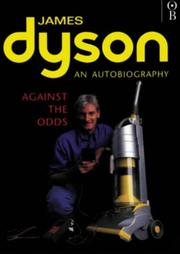
Against the Odds
Dyson built 5,127 prototypes over four years, then faced a longer struggle to manufacture and sell the product after established companies rejected it. The book connects obsessive iteration, design-led differentiation, manufacturing control, and persistence.
-
Reading rank 02
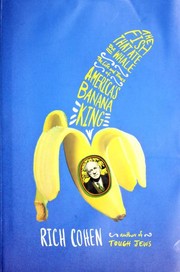
The Fish That Ate the Whale
The biography pairs Zemurray’s firsthand operating knowledge and appetite for risk with the political power behind the banana trade, including his role in a Honduran coup and the far-reaching consequences of United Fruit’s influence in Central America.
-
Reading rank 03
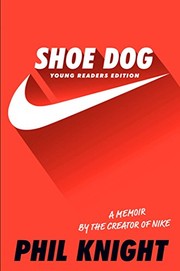
Shoe Dog
Knight focuses on how precarious the early company was: recurring cash shortages, conflicts with banks, supplier risk, and a small team held together by a shared obsession with running. It is less a victory lap than a candid account of surviving one crisis after another.
-
Reading rank 04

Jeff Bezos' Shareholder Letters
Read chronologically, the letters trace Amazon's operating philosophy across customer obsession, long-term investment, invention, high-velocity decisions, culture, Marketplace, Prime, AWS, Kindle, and Alexa. Amazon publishes the corpus free in its official archive.
-
Reading rank 05
Hard Drive
Published in 1992, the biography focuses on Gates’s competitive intensity, Microsoft’s early team, the IBM relationship, and the software decisions that built the company before its later Internet-era battles.
-
Reading rank 06
Zero to One
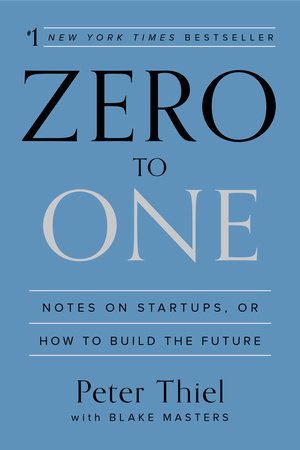
Adapted from Thiel's Stanford startup lectures, the book organizes a contrarian operating framework around monopoly, definite optimism, founder control, sales, and the question of what valuable company nobody is building. Founders 31 pairs it with Conspiracy; Founders 278 rereads it directly.
-
Reading rank 07
Creative Selection
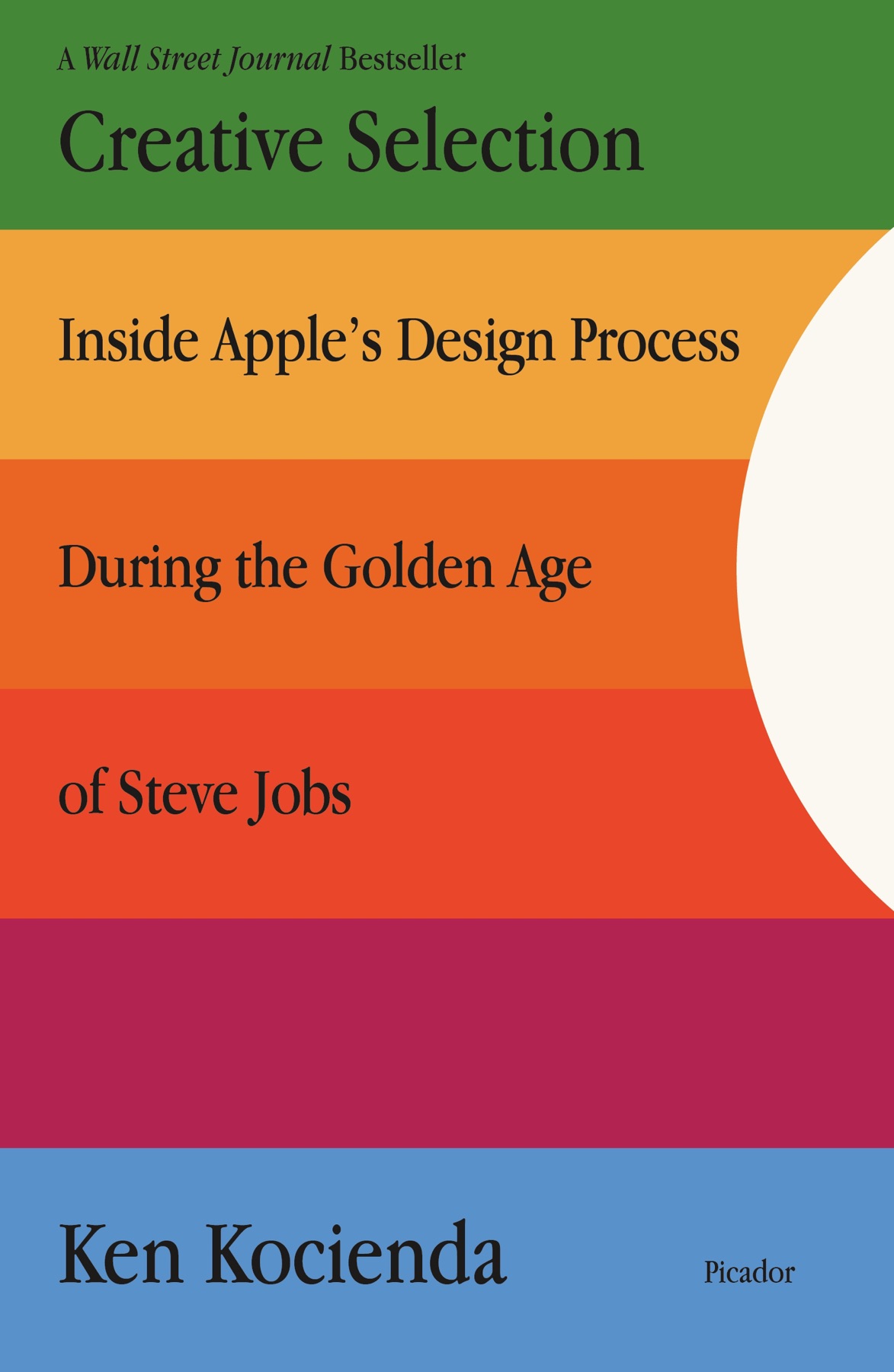
Drawing on fifteen years at Apple, Kocienda reconstructs the design process behind Safari, the iPhone keyboard, and other Jobs-era products. His account shows ideas being made concrete through demos, candid feedback, repeated iteration, and individual responsibility rather than abstract process alone.
-
Reading rank 08
Becoming Steve Jobs
Drawing on Schlender’s long relationship with Jobs and additional reporting, the biography follows the failures, relationships, and years at NeXT and Pixar that reshaped Jobs from a reckless young founder into a more capable leader.
-
Reading rank 09
Titan
Drawing on Rockefeller’s private papers, Chernow examines the discipline, secrecy, consolidation, and public controversy surrounding Standard Oil, alongside Rockefeller’s family life, religious convictions, and large-scale giving.
-
Reading rank 10

Poor Charlie's Almanack
First published in 2005, the book combines biographical material, Munger's talks and lectures, and commentary on multidisciplinary thinking, incentives, investing, and common causes of misjudgment.
-
Reading rank 11
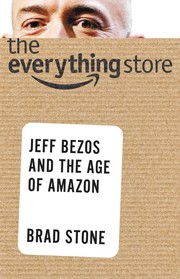
The Everything Store
The book is a deeply reported history of Amazon’s early growth and Bezos’s operating system: long-term thinking, customer obsession, frugality, rapid experimentation, and a willingness to be misunderstood while pursuing scale.
-
Reading rank 12
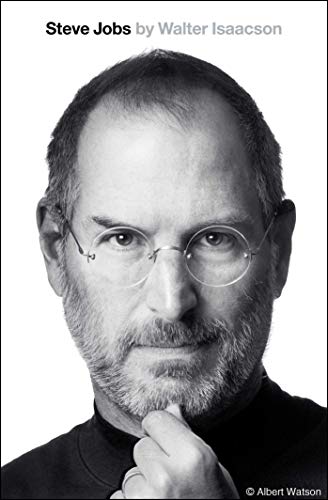
Steve Jobs
Built from more than forty interviews with Jobs and more than one hundred interviews with family, friends, colleagues, and competitors, the book was produced with Jobs’s cooperation but without his control over its contents. Isaacson presents both Jobs’s product vision and the personal costs of his abrasive management style.
-
Reading rank 13
Sam Walton
Completed during the final months of Walton’s life, the book is a plainspoken operating manual built around frugality, constant store visits, borrowing useful ideas from competitors, sharing profits with associates, and staying close to customers.
-
Reading rank 14
A Man for All Markets
Thorp connects gambling, quantitative investing, risk control, and independent inquiry into a single account of finding measurable edges while avoiding ruin. The book also examines how he applied those principles to time, health, family, and a well-lived life.
-
Reading rank 15
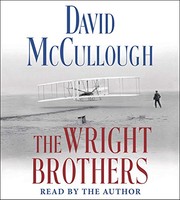
The Wright Brothers
The brothers had no college education, little money, no outside funding, and few useful connections. They financed their work through the bicycle business, kept meticulous records, tested assumptions themselves, and advanced through disciplined iteration.
-
Reading rank 16
Invent and Wander
Published in 2020, the collection brings Bezos's writing on customer obsession, long-term thinking, invention, failure, culture, decision speed, climate, and space into one volume, with a biographical introduction by Walter Isaacson.
-
Reading rank 17
Creativity, Inc.
First published in 2014, the management book uses Pixar's films, the Braintrust, and Catmull's years working with Steve Jobs to examine how leaders surface hidden problems and sustain creative organizations.
-
Reading rank 18
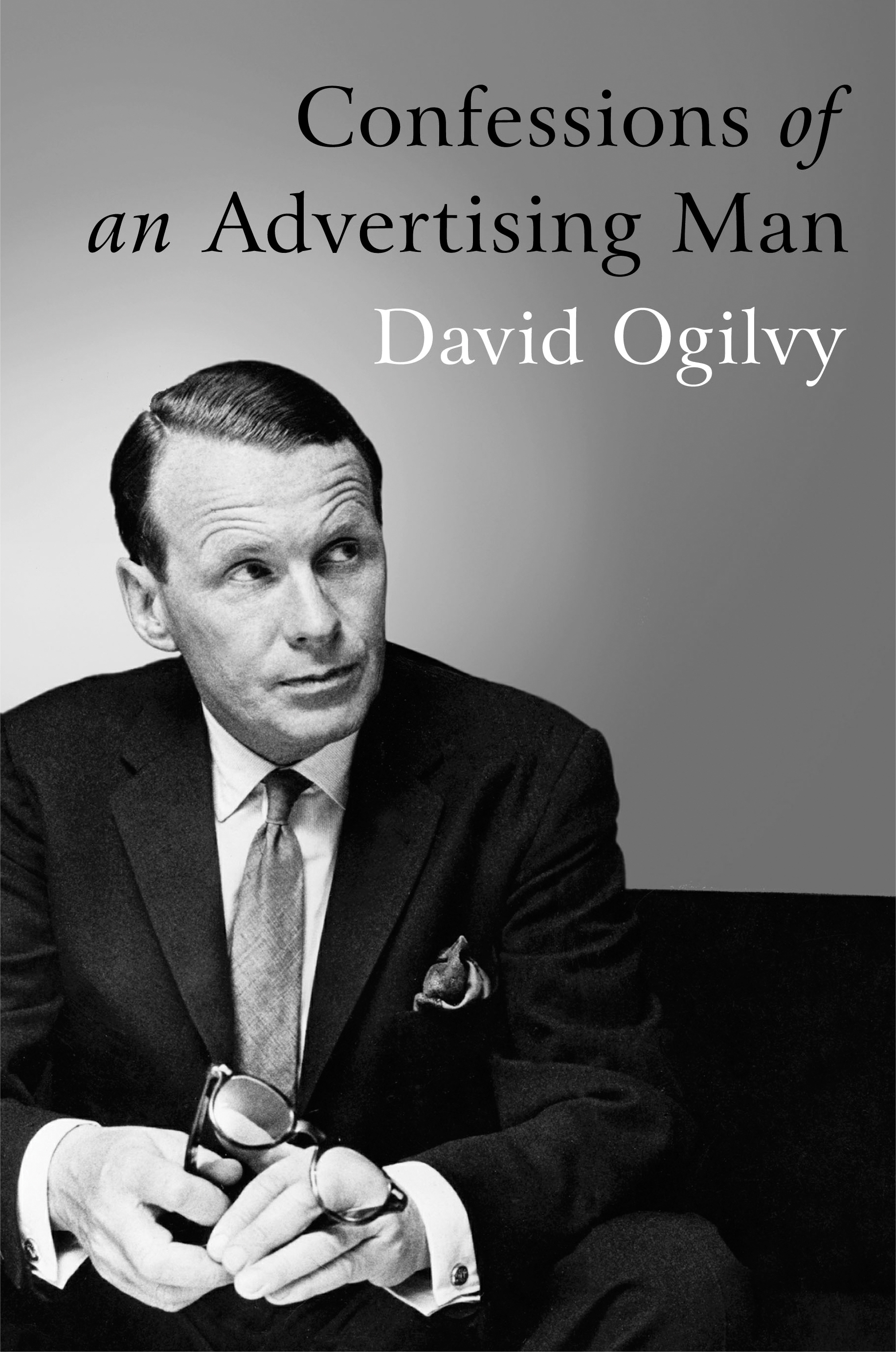
Confessions of an Advertising Man
Part memoir and part operating manual, the book covers managing an advertising agency, winning and keeping clients, writing advertisements, and building a reputation for work that sells.
-
Reading rank 19

Berkshire Hathaway Letters to Shareholders
Read chronologically, the letters trace decades of Berkshire decisions across acquisitions, insurance, incentives, leverage, mistakes, and the changing responsibilities of a large holding company.
-
Reading rank 20
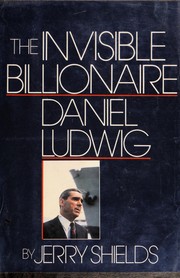
The Invisible Billionaire
The biography follows Ludwig's shipping, oil, real-estate, and development ventures while examining the future-charter financing that helped him build at unusual scale. Shields also treats Ludwig's secrecy, rivalry with Aristotle Onassis, operating strengths, and costly failures without turning the subject into a simple hero.
-
Reading rank 21
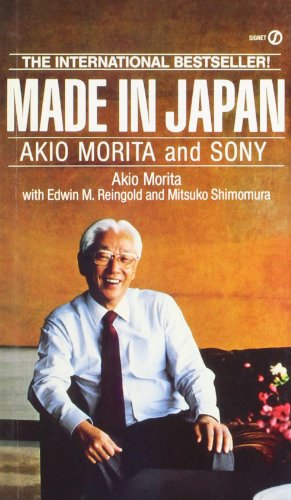
Made in Japan
Akio Morita's memoir of building Sony from a bombed-out Tokyo department store into a global electronics power. Covers the transistor radio bet, the fight to build a brand ('Made in Japan' as a mark of quality), the Walkman, and Morita's philosophy of long-term thinking over quick profit.
-
Reading rank 22
In the Company of Giants
Conducted by two Stanford MBA students in the 1990s, these conversations preserve founders and executives explaining their methods in their own words. The practical value is comparative: readers can place Jobs's talent density, Dell's customer proximity, Grove's contrarianism, and other operating beliefs side by side rather than receiving one retrospective theory of Silicon Valley.
-
Reading rank 23
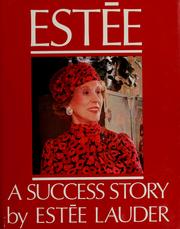
Estée
The autobiography combines family and social history with Lauder’s first-person lessons on selling, sampling, persistence, visualization, personal attention, and the tension between an all-consuming career and family life.
-
Reading rank 24
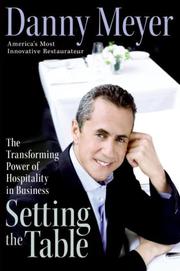
Setting the Table
Drawing on Union Square Cafe, Gramercy Tavern, Shake Shack, and other restaurants, Meyer presents hospitality as an operating system for culture and service. The book argues that generosity and employee-first management can create durable advantages beyond the restaurant industry.
-
Reading rank 25

Marc Andreessen's Blog Archive
The archive gathers selected posts from 2007–2009, including Andreessen’s argument that market matters more than team or product. It is a compact source of his startup and career thinking, available as a free ebook.
-
Reading rank 26

How to Do Great Work
The essay argues that curiosity drives each step of the process and warns against excessive caution in picking problems, advising readers to start work and adjust course through experience rather than exhaustive upfront planning.
-
Reading rank 27
Paul Graham's Essays
This record represents the free essay archive at paulgraham.com rather than a print book. Founders 275 and 276 draw from multiple essays; Founders 277 covers the separate print collection Hackers & Painters and should remain a distinct canonical work.
-
Reading rank 28
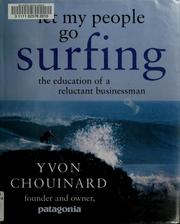
Let My People Go Surfing
Part memoir and part operating philosophy, the book moves from Chouinard's climbing-equipment work into Patagonia's approaches to design, production, marketing, human resources, environmental action, and employee freedom.
-
Reading rank 29
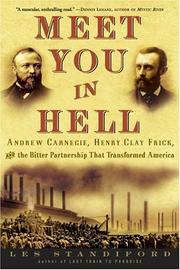
Meet You in Hell
Published in 2005, this popular history follows Carnegie, the steel magnate, and Frick, the coke producer and Carnegie Steel manager, from their cost-driven industrial alliance through the 1892 Homestead conflict, Frick's later ouster and lawsuit, and Carnegie's unsuccessful 1919 attempt at reconciliation.
-
Reading rank 30
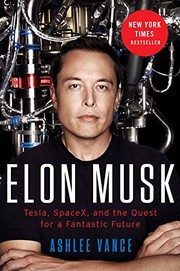
Elon Musk
The biography focuses on Musk’s early career, the 2008 crises at Tesla and SpaceX, and his decision to commit most of his PayPal fortune to SpaceX, Tesla, and SolarCity. It is a detailed account of the personal risk behind those companies before their later success.
-
Reading rank 31
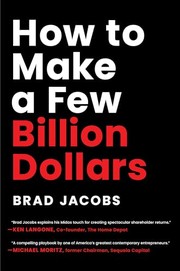
How to Make a Few Billion Dollars
The book draws on Jacobs's four decades as a CEO who founded United Waste Systems, United Rentals, and XPO Logistics, and its spin-offs GXO Logistics and RXO, and covers recognizing industry trends, negotiating mergers and acquisitions, and assembling leadership teams.
-
Reading rank 32
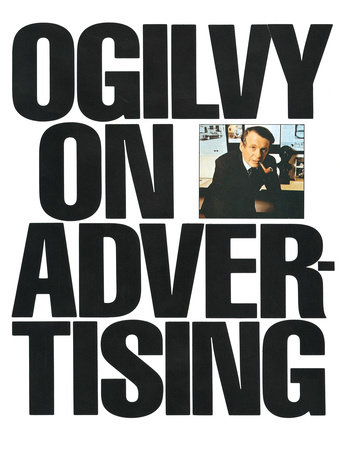
Ogilvy on Advertising
First published in 1983, the book ranges from copy, direct response, and research to choosing clients and agencies, business-to-business advertising, direct mail, and lessons from earlier advertising practitioners.
-
Reading rank 33
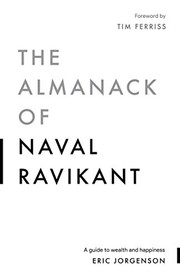
The Almanack of Naval Ravikant
Published in 2020, the book is assembled primarily from Naval's own words and organized around wealth, judgment, learning, and happiness. It is a curated source collection, not a Naval-authored memoir.
-
Reading rank 34
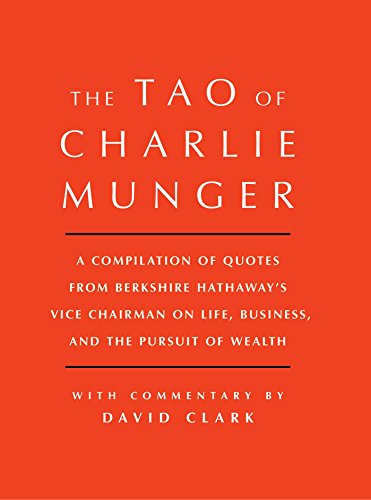
Tao of Charlie Munger
Clark draws the quotes from Munger's interviews, speeches and answers at shareholder meetings, and adds his own commentary. An introduction traces Munger's path from Nebraska and Harvard Law School through a law practice and an investment partnership to Blue Chip Stamps and his role as Warren Buffett's partner at Berkshire Hathaway.
-
Reading rank 34
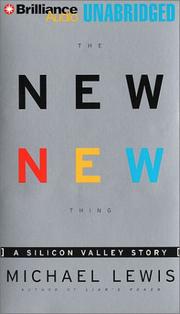
The New New Thing
Published in 1999, Lewis's reported portrait follows Clark's restless search for the next company, using his ventures and automated sailing project to examine the culture and capital of the internet boom.
-
Reading rank 36
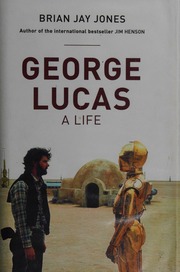
George Lucas
The biography follows Lucas's pursuit of creative independence through Lucasfilm, Industrial Light & Magic, sequel rights, and merchandising, alongside the personal and production pressures behind his films.
-
Reading rank 37
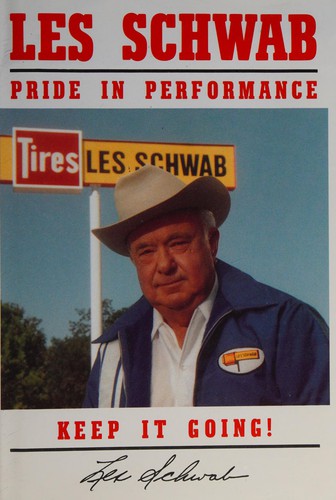
Les Schwab Pride in Performance
First published in 1986 and expanded by three chapters for the 1996 third printing shown here, Schwab's self-written autobiography traces his path into tire retail and sets out the operating policies he wanted the company to preserve: share store profits, pay for quality, promote from within, keep decisions close to customers, and resist complacency.
-
Reading rank 38
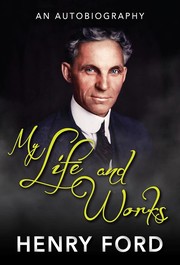
My Life and Work
The 1922 autobiography combines Ford's company-building account with direct arguments about service before profit, production, wages, prices, frugality, waste, machinery, farming, and the social role of business.
-
Reading rank 39
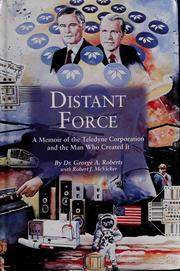
Distant Force
Published in 2007 and written with Robert J. McVicker, the book combines Roberts's firsthand company history with a portrait of Singleton and an introduction to Teledyne Technologies.
-
Reading rank 40
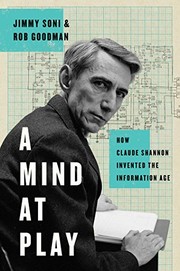
A Mind at Play
Published in 2017, the biography follows Shannon from childhood experiments through Bell Labs and the creation of information theory, connecting the man to the ideas underlying digital communication.
-
Reading rank 41
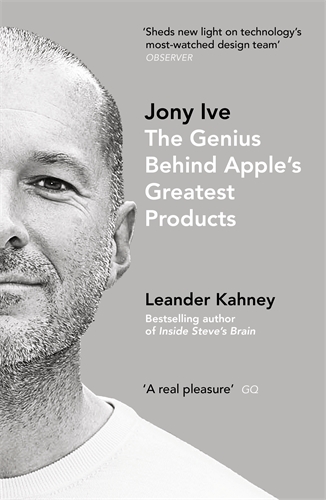
Jony Ive
The biography follows Ive's path into Apple's design studio and the partnership with Jobs that produced a succession of influential products. It focuses on craft, simplicity, product development, and the small design team behind Apple's hardware.
-
Reading rank 42
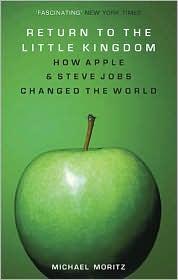
Return to the Little Kingdom
This 2009 revision of Moritz’s 1984 The Little Kingdom preserves a close-range account of early Apple and adds perspective on the company’s later return under Jobs.
-
Reading rank 43
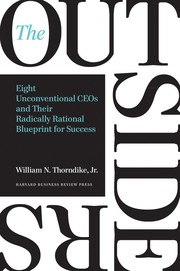
The Outsiders
The book compares leaders at companies including Teledyne, Berkshire Hathaway, Capital Cities, and The Washington Post, emphasizing per-share value, cash flow, decentralization, selective acquisitions, and opportunistic buybacks.
-
Reading rank 44
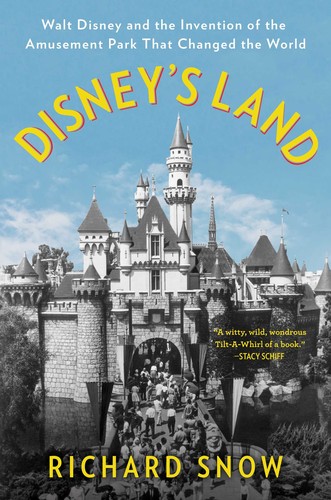
Disney's Land
The history follows Disneyland from Walt Disney's early idea through financing, design, construction, and opening day. Snow focuses on the collaborators, technical improvisation, storytelling choices, and uncompromising standards that turned the park into a new model for themed entertainment.
-
Reading rank 45
John D.
Published in 1980 and drawing on materials from the Rockefeller Archives, Hawke's biography follows John D. Rockefeller's business practices, personal values, and public reputation through intertwined personal and corporate history.
-
Reading rank 46
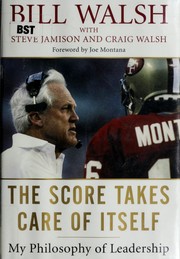
The Score Takes Care of Itself
Drawn from interviews with Bill Walsh, this leadership book explains the standards and culture behind the San Francisco 49ers' transformation from the league's worst franchise into a dynasty.
-
Reading rank 47
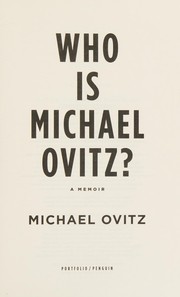
Who Is Michael Ovitz?
Ovitz follows his career from the William Morris mailroom to co-founding Creative Artists Agency, where his clients included Spielberg, Scorsese and Streep. He also covers his work beyond agenting, in producing, advertising, mergers and acquisitions and modern art, and breaks a long public silence about the controversies of his career.
-
Reading rank 48
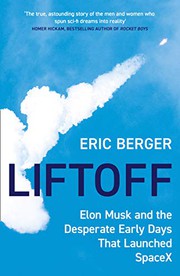
Liftoff
Berger, an editor at Ars Technica, credits the company's survival to the scientists and engineers recruited from academia and industry as well as to Elon Musk's drive. He frames early SpaceX as part of a shift in which private firms took on work long held by government agencies such as NASA.
-
Reading rank 49
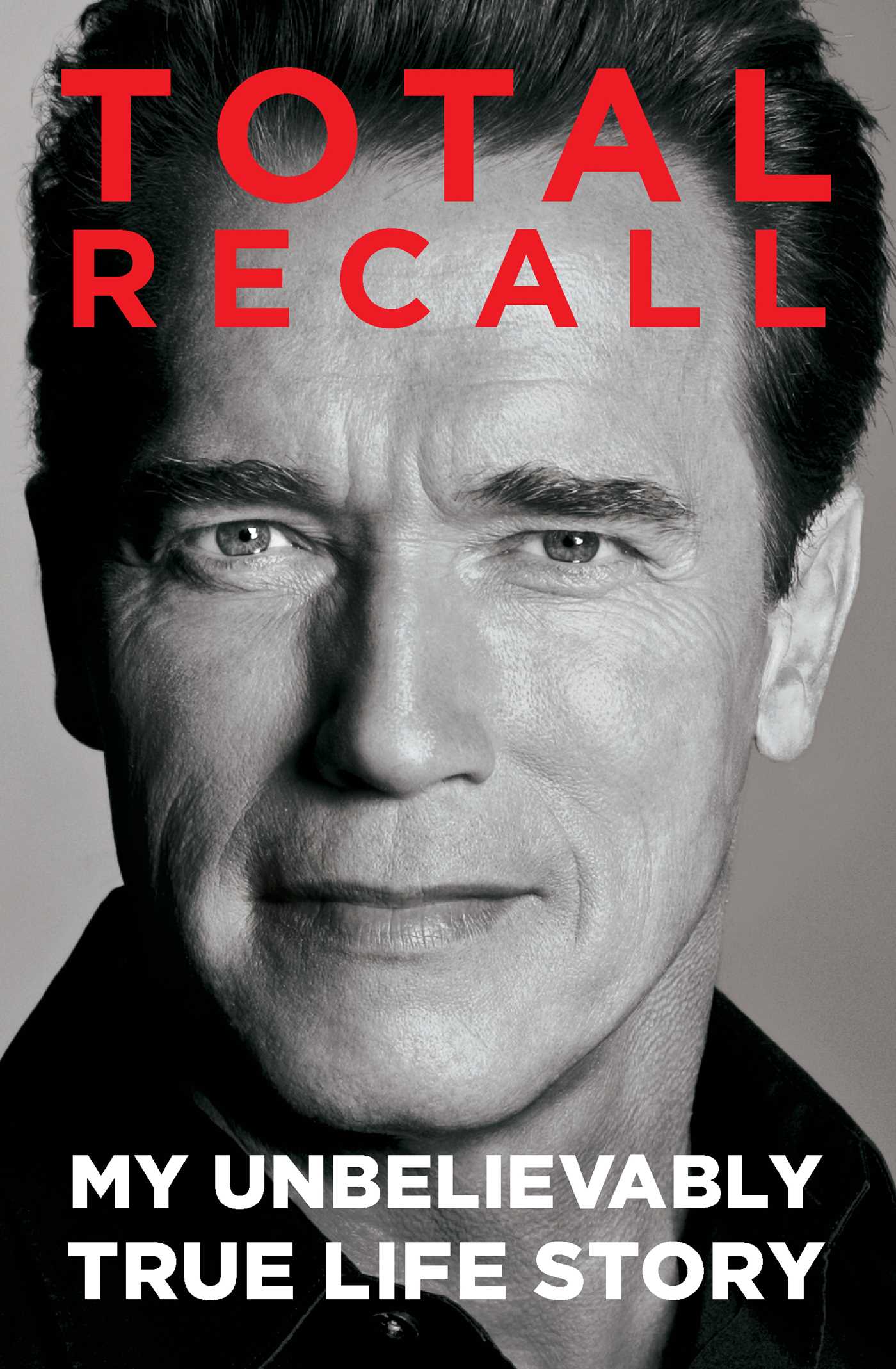
Total Recall
First published in 2012, the memoir follows Schwarzenegger from a strict Austrian childhood to Mr. Universe, real-estate and bodybuilding ventures, film stardom, and two terms as governor, while reflecting on the ambition and discipline behind each reinvention.
-
Reading rank 50
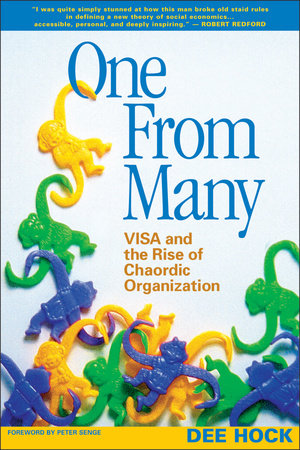
One from Many
First published in 2005 as an updated edition of The Birth of the Chaordic Age, this business autobiography combines Visa’s creation with Hock’s critique of command-and-control institutions and his ‘chaordic’ model of self-governing organization.
The interactive index loads search and filters when JavaScript is available. Browse the complete catalog.
Secondary collection
Watch & Listen
Talks, films, and audio covered on Founders—kept separate from the reading rank.